The Ethics of Photojournalism
I created my ethics map that centers around four main values: Respect, Honesty, Kindness, and Accountability. I live my day to day life based on these core values.
-Respect: I believe in treating all people with dignity, protecting their privacy, and their opinions. In the photography world, this means being mindful of how my images may affect the subjects thats being capture.
-Honesty: This may be the biggest ethic I go by. I strive to avoid misrepresentation, manipulation, or staged photos. This ensures that the stories I tell through images remain real and true.
-Kindness: I prioritize the well-being all people I come across, especially those in vulnerable situations. For example, I would ensure that someone in danger or distress receives help before capturing an image.
-Accountability: I take responsibility for the actions that may follow my choices. Every photo has the potential to impact viewers and subjects alike, so I carefully consider the ethical implications of what I publish and how it is presented.
The controversy I researched is the case involving Kevin Carter’s 1993 photograph of a starving Sudanese child stalked by a vulture. Though famous, this controversy was not discussed in the course videos for Module 10. After the photo was published by The New York Times, Carter faced intense criticism for photographing suffering instead of intervening.
-Respect: I believe in treating all people with dignity, protecting their privacy, and their opinions. In the photography world, this means being mindful of how my images may affect the subjects thats being capture.
-Honesty: This may be the biggest ethic I go by. I strive to avoid misrepresentation, manipulation, or staged photos. This ensures that the stories I tell through images remain real and true.
-Kindness: I prioritize the well-being all people I come across, especially those in vulnerable situations. For example, I would ensure that someone in danger or distress receives help before capturing an image.
-Accountability: I take responsibility for the actions that may follow my choices. Every photo has the potential to impact viewers and subjects alike, so I carefully consider the ethical implications of what I publish and how it is presented.

The controversy I researched is the case involving Kevin Carter’s 1993 photograph of a starving Sudanese child stalked by a vulture. Though famous, this controversy was not discussed in the course videos for Module 10. After the photo was published by The New York Times, Carter faced intense criticism for photographing suffering instead of intervening.
• The Life and Legacy of Kevin Carter. Truth, Trauma, and the Power of Photography
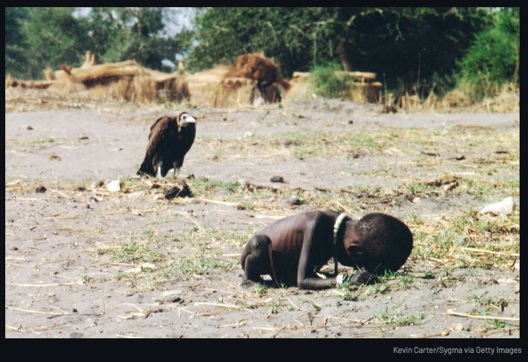
Kevin Carter captured the image while documenting the Sudan famine.In the photograph, a malnourished child collapses while a vulture stands behind them. When the image was published, many readers demanded to know whether Carter helped the child or simply walked away for the sake of the picture. Carter stated that he chased the vulture away, but he could not confirm the child’s fate due to restricted access and disease-prevention rules. The photo won the Pulitzer Prize, but sparked an international debate about the ethical responsibility of photojournalists in crisis zones.
Photo by: Kevin Carter 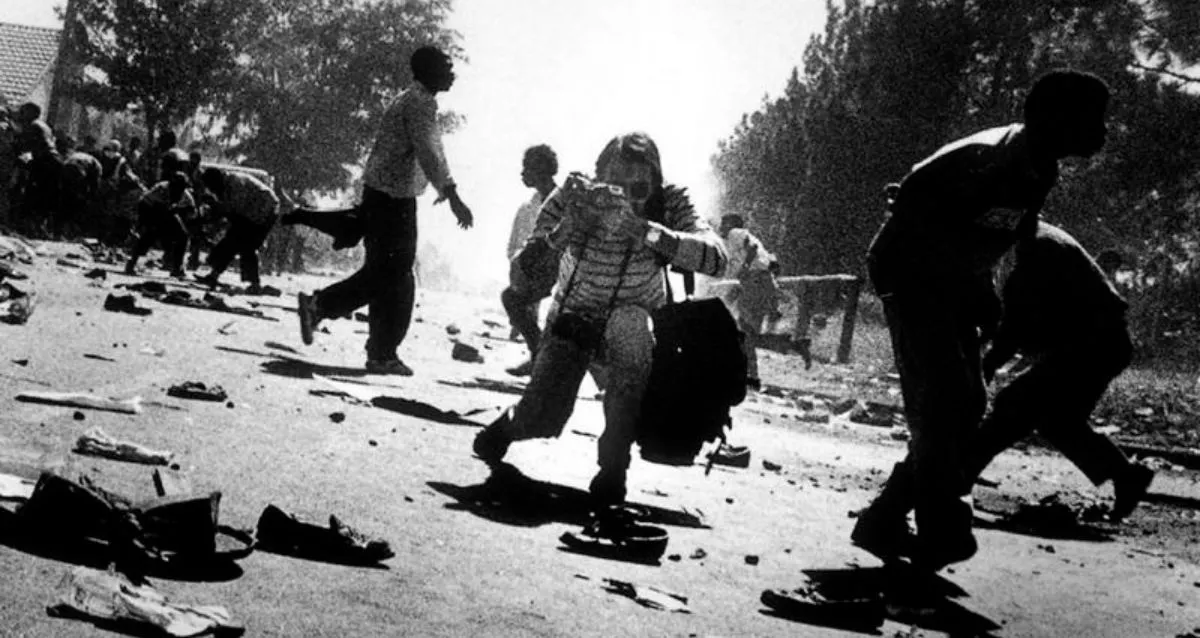
Image Source: WordPress.com
Photo By: Kevin Carter
Image Source: Medium
Based on my ethics map, I would have responded differently in this situation. My value of Compassion would require me to prioritize the child’s immediate well being over the photograph. My value of Accountability means I believe photojournalists must evaluate whether their presence can provide aid or prevent harm. While Carter’s job was to document famine, my value of Respect for Human Dignity means I would not feel right taking the image without also confirming the child’s safety afterward.
At the same time, my value of Integrity helps me understand Carter’s view; documenting the reality of famine brought global attention to a crisis. However, my personal ethics would guide me toward a more intervention-based approach. I would try to get help, ensure the child’s safety, and then decide whether the photo should or should not be published.


Comments
Post a Comment